Pakistan and China Push for Diplomacy as Iran-US War Escalates
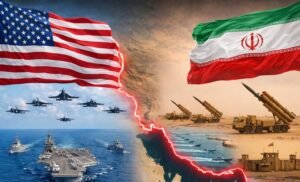
Pakistan and China is once again urging diplomacy as renewed fighting between Iran and the United States threatens to derail months of mediation efforts aimed at preventing a wider regional conflict.
Iranian Foreign Ministry spokesman Esmaeil Baghaei Monday said mediators, including Pakistan, Qatar and Oman, remain engaged despite escalating hostilities. However, he warned that Tehran would continue responding to what it described as US violations of a Memorandum of Understanding (MoU) brokered with Pakistan’s and Qatar support.
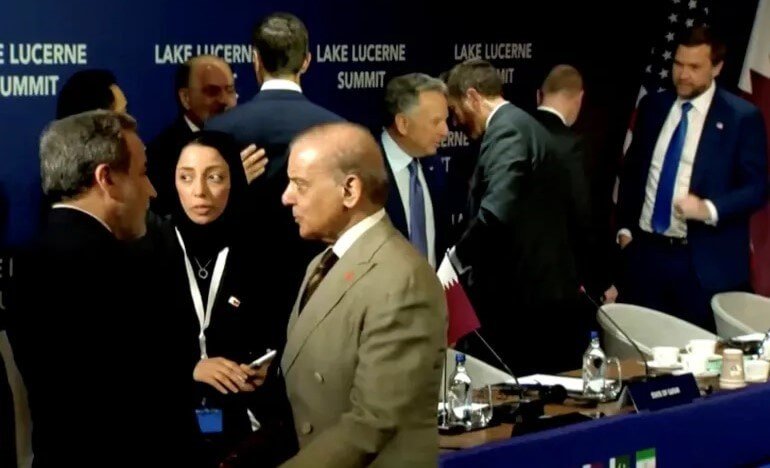
The agreement, signed on June 17 by Pakistani Prime Minister Shehbaz Sharif alongside US President Donald Trump and Iranian President Masoud Pezeshkian, was intended to extend a ceasefire and create a pathway toward long-term negotiations. But less than a month later, the accord has effectively collapsed.
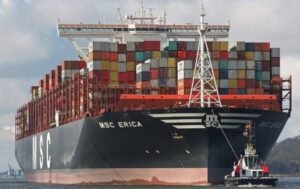
Fresh clashes intensified after the United States launched new attacks on Iran, prompting Tehran to fire missiles and drones toward Gulf states it accused of hosting US military bases. The latest escalation follows repeated breakdowns of previous ceasefire arrangements and disputes over security in the Strait of Hormuz.
As tensions mounted, Islamabad stepped up diplomatic outreach. Deputy Prime Minister and Foreign Minister Ishaq Dar held separate conversations with Iranian Foreign Minister Abbas Araghchi and Saudi Foreign Minister Prince Faisal bin Farhan Al Saud, stressing that dialogue remains the only viable path to resolving the crisis. Prime Minister Shehbaz Sharif also spoke with President Pezeshkian, warning that hard-won peace gains were at risk.
Since the conflict began in February, Pakistan has positioned itself as a key intermediary. It hosted direct US-Iran talks in April—the first such meeting in decades—and later helped facilitate the June MoU while coordinating with regional partners, including Qatar and Oman.
Despite these efforts, experts ts say Pakistan’s influence has limits. Javad Heiran-Nia of Tehran’s Center for Scientific Research and Middle East Strategic Studies said the MoU was designed mainly to halt immediate hostilities rather than resolve deep-rooted disputes, particularly over the strategic Strait of Hormuz.
Dania Thafer of the Gulf International Forum argued that Pakistan has little room to de-escalate the conflict while both Washington and Tehran remain committed to military pressure.
Others believe Islamabad retains significant diplomatic leverage. Qamar Cheema of the Islamabad-based Sanober Institute said Pakistan’s trusted communication channels with both capitals remain valuable, citing recent US acknowledgment of Pakistan’s role in facilitating dialogue.
With mistrust between Iran and the United States deepening after the latest violence, Pakistan and other mediators face their toughest challenge yet: persuading both sides to return to negotiations before the conflict expands further.
China on Tuesday urged the United States and Iran to avoid returning to war after Washington announced it would reimpose a blockade on Iranian ports in the Strait of Hormuz.
Foreign Ministry spokesman Lin Jian said Beijing was “deeply concerned” by the renewed fighting and called on both sides to exercise restraint, preserve the ceasefire, and prevent the conflict from spreading.
He also urged an early restoration of safe navigation through the Strait of Hormuz, saying the international community wanted stability and a peaceful resolution to the crisis.
About The Author