Pakistan Army Chief Visits Iran Amid US-Iran Peace Talks
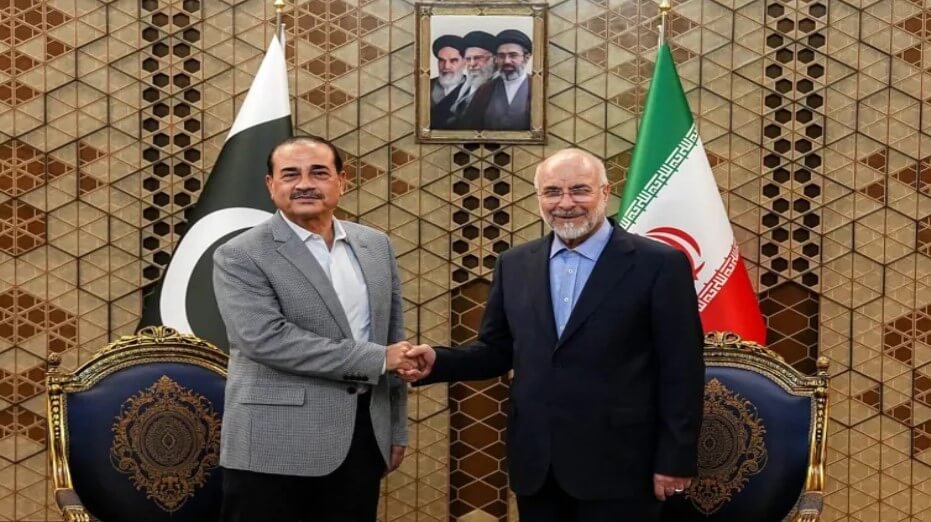
Pakistan’s army chief, Field Marshal Asim Munir, arrived in Tehran on Tuesday to meet Iranian officials as diplomatic efforts intensify to prevent renewed fighting between Iran, the United States and Israel.
The visit comes amid rising tensions over the Strait of Hormuz, with Washington warning that reaching a peace agreement with Tehran remains extremely difficult.
US and Iran Exchange Warnings
US Secretary of State Marco Rubio said that a peace deal with Iran would be difficult to achieve. He added that economic pressure would continue until Tehran stopped targeting commercial shipping in the Strait of Hormuz.
Meanwhile, Iranian Foreign Minister Abbas Araghchi said the strategic waterway would remain closed until Washington accepted Iran’s conditions. He also confirmed that indirect negotiations were continuing through Pakistan and Qatar.
The developments have increased the urgency of diplomatic efforts to prevent another round of military escalation in the region.
Pakistan Steps Up Mediation Efforts
Munir’s visit is his fifth trip to Iran since the April ceasefire brokered by Islamabad. Pakistan’s Interior Minister Mohsin Naqvi is accompanying him, according to Iranian state media.
Munir is expected to meet Araghchi as part of efforts to revive negotiations between Washington and Tehran.
The visit follows talks between Iranian leaders and Russian Foreign Minister Sergey Lavrov, who visited Tehran on Monday. Discussions focused on the war, the Strait of Hormuz and possible ways to end the conflict.
Qatar has also played a key role in facilitating indirect negotiations, while Pakistan continues to use its diplomatic channels with both sides.
Islamabad Agreement Faces Uncertainty
In June, the United States and Iran agreed to a 14-point memorandum of understanding (MoU) aimed at easing tensions. The proposed framework included lifting the US naval blockade, reopening the Strait of Hormuz and releasing an estimated $24 billion in frozen Iranian assets in phases.
However, the agreed period for further negotiations expired in mid-August without an extension.
Iran has accused Washington of failing to meet its commitments and continues to demand the removal of the naval blockade before reopening the waterway.
Analysts remain divided over whether the Islamabad MoU can still provide a foundation for negotiations. Some believe a new diplomatic framework is necessary, while others argue that the agreement remains a useful starting point.
Pakistan’s Saudi Defence Commitments Add Pressure
Pakistan’s mediation efforts are becoming more complicated because of its growing defence cooperation with Saudi Arabia and Turkiye.
The three countries signed the Mecca Joint Defence Agreement on August 7 and later agreed to accelerate military deployments under the pact.
Meanwhile, Saudi authorities reported that air defences intercepted and destroyed four drones heading towards the kingdom’s Medina and Eastern regions.
Pakistan has said its forces in Saudi Arabia would not cross into Yemen to launch attacks against Houthi fighters.
As tensions rise across the Middle East, Pakistan faces the challenge of maintaining its role as a mediator while fulfilling its regional security commitments. Diplomatic efforts through Islamabad and Doha could prove crucial in preventing a renewed US-Iran conflict.
About The Author