Pakistan Cement Sector Profitability Seen Rising 16% in 1QFY27
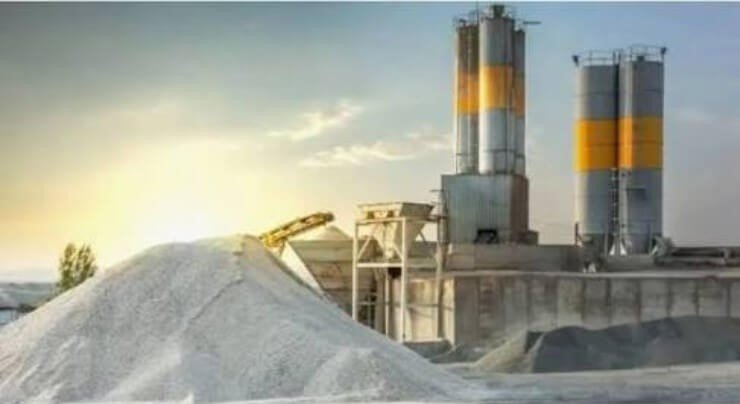
KARACHI: Profitability of Pakistan’s cement sector is expected to increase by 16% year-on-year in the first quarter of FY27, supported by higher local cement sales and improved retention prices, according to a research report by Topline Securities.
The brokerage expects the combined profitability of its cement universe to reach Rs32.4 billion in 1QFY27, compared with Rs27.8 billion in the same period last year, representing a 16% increase year-on-year and 16% growth quarter-on-quarter.
Pakistan’s cement sector is expected to report stronger earnings in the first quarter of FY2027, supported by higher cement prices, increased domestic sales and improved other income. Sector net sales are projected to reach Rs143 billion, representing a 25% year-on-year increase and a 14% rise quarter-on-quarter.
According to a brokerage report, domestic cement dispatches increased by 8% year-on-year during 1QFY27, while exports declined by 11%. On a quarterly basis, local dispatches rose 9% and export volumes increased 10%.
Cement retention prices increased by around Rs100 to Rs150 per bag compared with the same period last year. Higher fuel costs, including elevated international coal and diesel prices, contributed to the increase.
Cement Sector Margins and Finance Costs Outlook
The sector’s gross margin is projected at 35% in 1QFY27, compared with 33% in the same quarter last year and 36% in the previous quarter. Higher retention prices and greater use of renewable energy are expected to support margins despite elevated coal costs.
Meanwhile, finance costs are projected to rise 51% year-on-year to Rs3.4 billion. Maple Leaf Cement is expected to account for nearly 57% of the sector’s finance costs, following debt raised for its acquisition of Pioneer Cement.
Richards Bay coal prices averaged around $113.93 per ton during the quarter, compared with $113.2 per ton in 4QFY26 and $90.3 per ton in 1QFY26.
The sector’s other income is estimated at Rs14.2 billion, up 9% year-on-year and 27% quarter-on-quarter. The increase is primarily attributed to expected dividend income from Lucky Electric Power Company (LEPCL) for Lucky Cement. The brokerage does not expect dividend payouts from companies in its cement coverage universe during the quarter.
Lucky Cement, DG Khan and Fauji Cement Lead Earnings Outlook
Lucky Cement: Consolidated earnings are projected to rise 11% year-on-year but fall 3% quarter-on-quarter to Rs16.7 per share. Higher domestic sales and other income are expected to support annual growth. Unconsolidated earnings per share (EPS) are forecast at Rs10.3, up 3% year-on-year and 52% quarter-on-quarter.
Kohat Cement: EPS is expected to reach Rs3.1, down 4% year-on-year and 14% quarter-on-quarter. Gross margins are projected to improve to 36% from 34% a year earlier. However, lower other income and quarterly margin normalization are expected to weigh on earnings.
Fauji Cement: EPS is projected at Rs2.1, up 56% year-on-year but down 5% quarter-on-quarter. Higher retention prices, improved gross margins and contributions from associates are expected to support annual growth.
DG Khan Cement: Unconsolidated EPS is forecast at Rs7.5, up 52% year-on-year and 7% quarter-on-quarter. Higher cement prices, stronger domestic dispatches and lower finance costs are expected to support profitability. Gross margins are projected to improve to 27% from 22% in 1QFY26.
Cherat Cement: EPS is expected to reach Rs10.50, up 18% quarter-on-quarter but down 2% year-on-year. Improved margins are expected to support the quarterly recovery, while lower export volumes and higher coal costs could weigh on annual earnings.
Maple Leaf Cement: Consolidated EPS is projected at Rs3.8, up 47% year-on-year but down 11% quarter-on-quarter. The annual increase is primarily linked to the consolidation of Pioneer Cement, partly offset by higher acquisition-related finance costs.
Maple Leaf Cement’s gross margin is projected at 35%, compared with 34% in 1QFY26 and 44% in 4QFY26. The previous quarter benefited from a one-off impact related to a change in the treatment of royalty expenses. Higher fuel costs are expected to contribute to the quarterly decline in profitability.
About The Author