IMF-Pak Talks Enter Final Stage as Auto Policy Differences Persist
ISLAMABAD: Negotiations between Pakistan and the International Monetary Fund (IMF) have entered their final stage, with discussions continuing on key outstanding issues, including the government’s proposed auto policy, sources said.
The IMF and Pakistani authorities are engaged in final talks, while differences over certain measures in the auto policy have yet to be fully resolved, according to sources familiar with the negotiations.
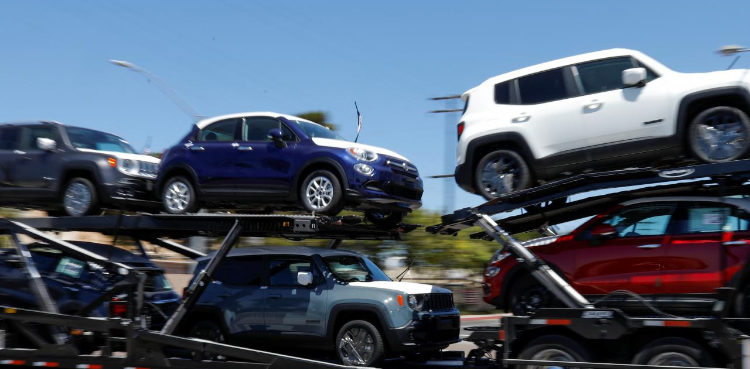
One of the major issues under discussion is the sales tax treatment of electric vehicles (EVs). The government has so far been unable to reach a final decision on imposing an 18% sales tax on electric vehicles valued up to $20 million, sources said.
The IMF has reportedly demanded that the sales tax on electric vehicles priced at up to $75,000 be increased from the existing 1% to 18%.
Pakistani authorities have argued that the lower sales tax rate on electric vehicles was introduced as an incentive to promote environmentally friendly and energy-efficient vehicles in the country.
According to officials, Pakistan and the IMF have already agreed in principle that electric vehicles valued above $75,000 would be treated as luxury vehicles and subject to a higher sales tax rate.
Officials said it was agreed that EVs priced above $75,000 would attract a 25% sales tax instead of the standard 18% rate. The Pakistani side also briefed the IMF on the rationale behind the proposed tax structure for electric vehicles.
Another issue discussed during the negotiations relates to the government’s vehicle gift scheme.
The Pakistani authorities have assured the IMF that vehicles imported or transferred under the gift scheme would not be allowed to change ownership for one year, sources said.
The government has also briefed the IMF on its position and proposals under the new auto policy, seeking to address concerns raised by the Fund while maintaining incentives for the development of the electric vehicle market.
The final outcome of the negotiations is expected to determine the tax treatment of electric vehicles and other measures included in the auto policy.
The ongoing talks form part of Pakistan’s discussions with the IMF under the country’s economic reform programme, with both sides working to resolve the remaining issues before reaching a final understanding.
Pakistan’s five-year Auto Industry Development Policy (AIDEP) 2026-31 is nearing final cabinet approval after the previous framework expired on June 30, 2026
Tariff Rationalization & Imports: Proposes a four-tier tariff system (0%, 5%, 10%, 15%) aiming to lower weighted average tariffs by 2030/2031, though it has sparked debates with local parts makers over import competition.
About The Author