Trump Targets China and EU With New Round of Proposed Tariffs
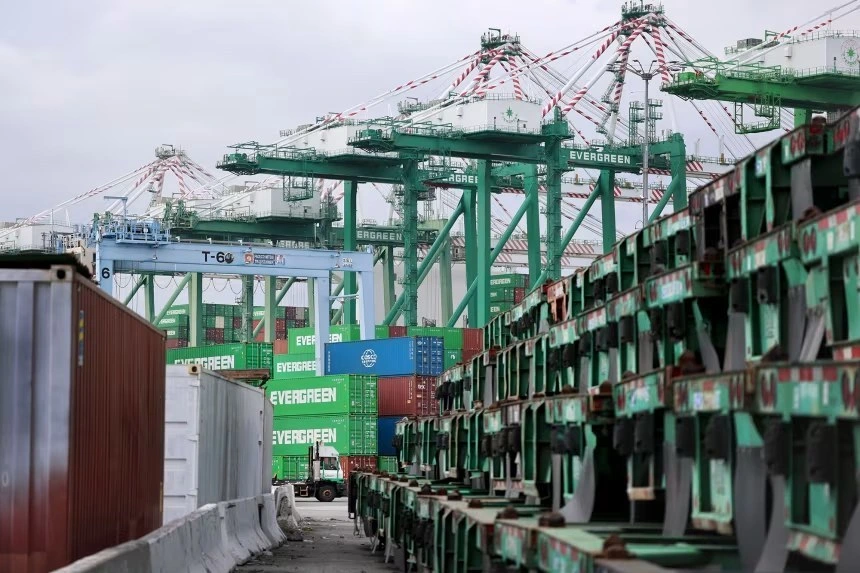
Trump administration must first complete a public notice-and-comment process and hold hearings before implementing the new measures
US President Donald Trump is preparing to impose a new round of tariffs on China, the European Union and dozens of other trading partners. The proposed measures aim to revive his trade agenda after the US Supreme Court struck down his earlier sweeping global tariffs, CNN reported.
Under the latest proposal, China and Vietnam could face starting tariffs of 20%, the highest rate among the 14 trading partners targeted by the investigation. However, these rates could increase further if the countries fail to comply with existing trade agreements.
For China, the tariff rate could rise to 40%, while Vietnam could face duties of up to 35%.
Meanwhile, the European Union could face an initial tariff rate of 15%, potentially increasing to 20%.
According to a White House official, the earliest the proposed tariffs could take effect is January.
However, the Trump administration must first complete a public notice-and-comment process and hold hearings before implementing the new measures.
The proposal also includes several exemptions to limit the impact on American businesses and consumers.
These exclusions would cover energy products, certain food imports that cannot easily be produced in the United States, selected semiconductor chips and pharmaceutical products.
Additionally, the proposed tariffs would not be added to existing duties on products such as automobiles, steel and aluminum.
As a result, American consumers are unlikely to experience substantial price increases from the latest tariff changes. Businesses have also reportedly factored similar tariff rates into their pricing strategies.
Why Is Trump Targeting China and Other Countries?
The latest tariff proposal follows a months-long investigation by the Office of the US Trade Representative.
The investigation examined whether foreign governments support excessive manufacturing through subsidies, favorable loan conditions and other financial incentives.
The Trump administration argues that these policies allow foreign companies to produce goods at artificially low costs and sell them in international markets at prices that disadvantage American manufacturers.
By imposing additional tariffs, Washington hopes to protect domestic industries and create more competitive conditions for US businesses.
A White House official also expressed confidence that the targeted trading partners would limit retaliation, noting that they had received advance notice of the proposed measures.
Trump Tariff Announcement Follows Xi Jinping Meeting
The proposed tariffs come shortly after Trump and Chinese President Xi Jinping adopted a notably friendly tone during their recent meeting.
Despite the positive diplomatic signals, trade tensions between Washington and Beijing remain a major concern.
Meanwhile, Trump claimed credit for helping secure the reinstatement of Nvidia CEO Jensen Huang on Monday.
However, bipartisan concerns remain over whether China could use advanced Nvidia semiconductor chips to strengthen its military capabilities by bypassing US export restrictions.
The issue highlights the difficult balance between maintaining trade relations with China and protecting American national security interests.
Trump Faces Political Opposition Over Tariff Policy
The latest tariff announcement also comes at a politically sensitive moment for the Trump administration.
With the midterm elections behind them, administration officials appear ready to refocus on the president’s trade agenda. However, the policy could face resistance from voters and Republican lawmakers.
According to CNN’s Voter Poll, approximately two-thirds of voters believe Trump’s tariffs have harmed the US economy. Nearly the same proportion said the measures have negatively affected their local economies.
Voter dissatisfaction with the administration’s trade policies also emerged during the midterm elections, when Democrats secured significant victories in several traditionally Republican areas.
Furthermore, opposition to Trump’s tariffs is growing within his own party.
Republican Senators Ted Cruz and Todd Young have publicly expressed concerns about the economic consequences of the president’s trade policies.
Following the midterm elections, Young criticized the current tariff structure in a post on X.
He argued that broad tariffs were increasing costs for American factories, farms, small businesses and households.
Young also emphasized that US tariff policy should focus on clearly defined objectives related to economic and national security.
What the New Tariffs Mean for Global Trade
Trump’s proposed tariffs could create fresh uncertainty for global trade, particularly for major exporters such as China, Vietnam and members of the European Union.
Although the administration says exemptions will protect essential imports and limit consumer price increases, businesses could still face higher costs and renewed supply chain challenges.
Moreover, potential retaliation from affected trading partners could increase pressure on international trade relations.
For now, the proposal remains subject to public hearings and administrative procedures. However, if implemented as planned, the new tariffs could mark another significant chapter in Trump’s efforts to reshape US trade policy.
About The Author