US-Iran Conflict Intensifies in Gulf Region
The conflict between the United States and Iran intensified on Friday as both sides exchanged fresh attacks, raising fears of a wider regional war and further disruption to global energy supplies.
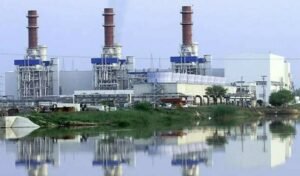
According to AP news, theUnited States launched a new wave of airstrikes targeting key infrastructure in southern Iran, including bridges, a railway station, energy facilities and a tower at the strategic port of Bandar Abbas.
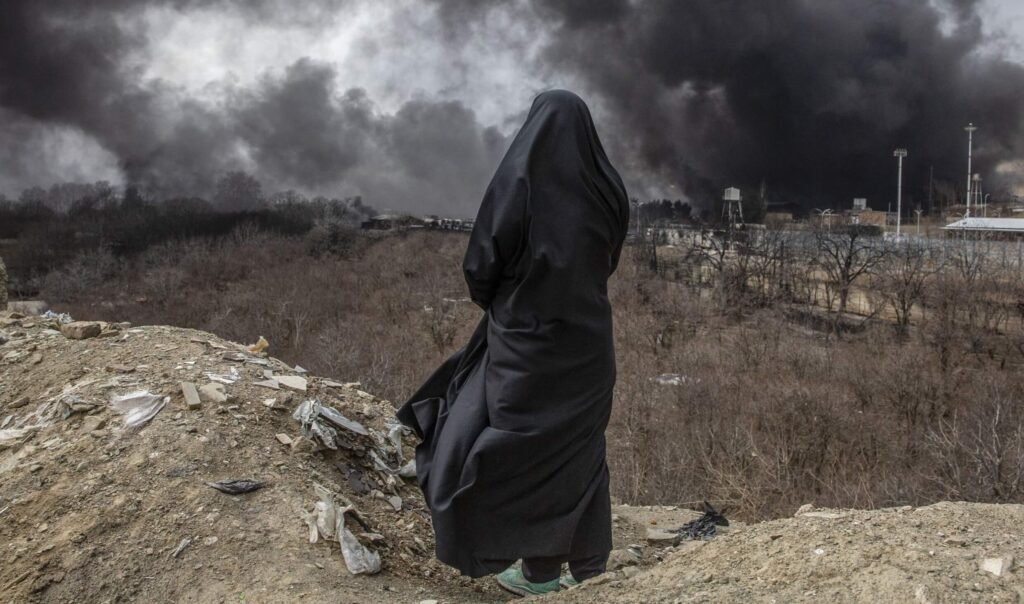
Iranian authorities said the strikes damaged power lines across Hormozgan province, causing widespread electricity outages. At least eight people were killed in the latest attacks, while Iran says 38 people have died and more than 400 have been injured since the renewed fighting began after failed negotiations in Switzerland on June 22, Aljazeera reported.
US President Donald Trump defended the military campaign, saying in a televised address that the United States was “winning big in Iran” and that the results would soon become evident.
Iran responded with a new wave of missile and drone attacks targeting US military bases and allied countries across the Gulf. Air raid sirens sounded in Bahrain, while Qatar intercepted multiple Iranian projectiles over Doha. One child was injured by falling debris during the interceptions.
Iran also claimed to have struck a US military base in Kuwait, damaging missile defence systems, weapons depots and HIMARS launchers. Kuwait reported damage to a power and water desalination plant. Jordan said its air defence forces intercepted three Iranian missiles, and the Islamic Revolutionary Guard Corps claimed it also targeted the US al-Tanf military base in Syria and military radar installations in Oman, Al Jazeera said.
The fighting has effectively ended the temporary ceasefire agreed to last month. Iran has maintained pressure on the Strait of Hormuz, the world’s most critical oil shipping route, warning that the waterway “will never return to what it was before the 40-day war.”
Shipping through the strait has slowed dramatically. Reuters reported that only three commercial vessels crossed the waterway on Thursday, compared with a pre-war average of about 125 vessels per day.
Most oil tankers have either halted operations or turned back because of security concerns and renewed US restrictions on Iran-related shipping. There were no Very Large Crude Carriers or liquefied natural gas tankers transiting the strait for a second consecutive day.
Oil Prices
The disruption has pushed global oil prices higher and raised concerns about international energy supplies. Iraq briefly suspended oil exports from its Basra terminal after a drone strike hit an oil tanker before later resuming operations.
In international markets, U.S. West Texas Intermediate (WTI) crude oil rose to $80.33 per barrel, while Brent crude, the international benchmark, was trading at $85.55 per barrel at 3:00 p.m. on Friday.
Airlines Activities
Iran’s Revolutionary Guards warned that no oil or gas exports would pass through the Strait of Hormuz while US attacks continue, signaling the conflict could have significant consequences for global trade and regional stability.
According to media reports, more international airlines are gradually restoring flights to the Middle East as the security situation improves following the conflict triggered by U.S. and Israeli strikes on Iran.
However, many carriers continue to suspend services to key destinations, including Dubai, Tel Aviv, Riyadh, Doha, Beirut and other Gulf cities, with some cancellations extending into October and December.
Airlines such as Air Canada, Lufthansa Group, British Airways, Singapore Airlines, Cathay Pacific and Delta have delayed the resumption of several routes, citing operational and safety concerns.
Despite the gradual return of some services, airlines remain cautious and continue to monitor regional security developments closely.
About The Author