MQM-P Seeks Rs450bn NFC Share for Karachi
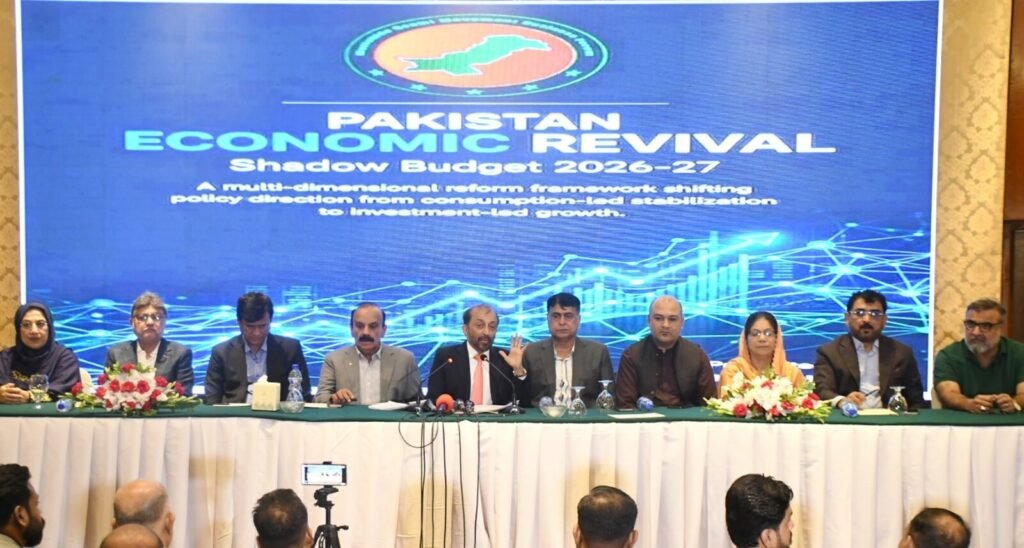
KARACHI: The federal government should directly transfer Karachi’s estimated Rs450 billion share under the National Finance Commission (NFC) Award in the next fiscal year, rather than routing it through the Sindh government, senior Muttahida Qaumi Movement-Pakistan (MQM-P) leader Dr Farooq Sattar said on Wednesday.
Presenting the party’s budget proposals for 2026-27 alongside business leaders and party colleagues, Dr Sattar said it was time to devise a fair mechanism for the distribution of financial resources among major cities, urban centres, and rural districts based on their contribution to national revenue, population size, and specific development needs.
“We estimate that Sindh will receive around Rs2.1 trillion from the federal government under the NFC Award in the next fiscal year. Out of this amount, Karachi’s share is approximately Rs450 billion,” he said.
“We believe these funds should be transferred directly to Karachi by the federal government rather than being routed through the Sindh government. The same principle should apply to other urban centres and districts as well.”
Dr Sattar claimed that the Constitution provided authority for such an arrangement.
“The Constitution grants this authority to the President and the Prime Minister. It is clearly stated in Article 107, Clause (2), Sub-Clause (b),” he said.
The MQM-P leader strongly criticised the Pakistan Peoples Party’s (PPP) 18-year rule in Sindh, holding it responsible for governance failures and demanding an explanation of how the substantial federal funds received by the province had been utilised.
“The people of this province want to know where the Rs25 trillion received over the past 18 years was spent and how those funds were utilised,” he said.
“We Karachiites may have been treated as stepchildren, but the government should also tell the people of Dadu, Thatta, Jacobabad, and Larkana what they have received in return. This is not about political point-scoring; it is about the justified distribution of resources according to the requirements and contributions of different areas,” he added.
Dr Sattar said the MQM-P’s shadow budget proposed 10 major interventions and six policy pillars aimed at reducing the budget deficit while increasing government revenues. He said the party advocated greater tax collection from large industrialists and wealthy landowners instead of placing additional burdens on ordinary citizens.
He also called for the immediate abolition of the petroleum levy, describing it as an unnecessary burden on the common people.
Referring to Pakistan’s economic challenges, Dr Sattar said economic sovereignty was a matter of national survival and criticised what he described as an unequal taxation system.
“Urban areas bear a significant tax burden, while some northern regions continue to enjoy tax exemptions,” he said.
He stressed that Pakistan must prioritise improvements in water resources, energy production, and electricity and gas infrastructure.
Responding to a question, Dr Sattar proposed replacing the Benazir Income Support Programme (BISP) with a “Benazir Income Generation Programme” focused on creating sustainable earning opportunities rather than encouraging dependence on government assistance.
He also urged the State Bank of Pakistan to lower the policy rate, saying the MQM-P’s shadow budget had been designed as a people-friendly financial plan for the country’s 250 million citizens.
Dr Sattar said MQM-P had consistently presented practical and viable shadow budget proposals over the past decade following extensive consultations with business leaders, industrialists, and public stakeholders. The objective, he said, was to provide effective policy guidance to the government in addressing the concerns of both the public and the business community.
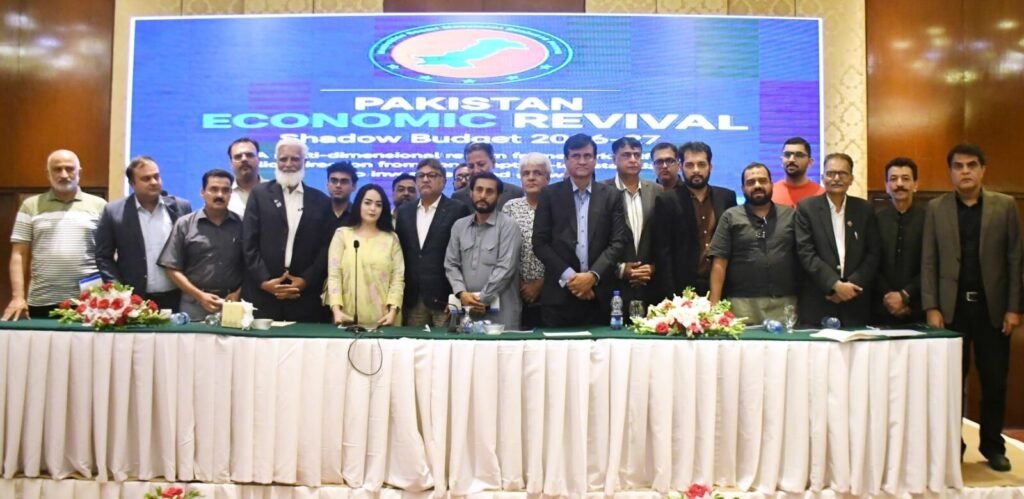
The press conference was attended by Qamar Akhtar Naqvi, President of the Muttahida Business Forum, and other party representatives.
About The Author