Brent Crude Near May Highs as US-Iran Conflict Deepens

Iran prepared for a more intense confrontation, vowing to resist a US naval blockade
The intensifying conflict between the United States and Iran heightened concerns over further disruptions to energy supplies from the Middle East. The Brent crude prices remained above $100-per-barrel mark on Thursday, hovering near their highest level since May.
The conflict could threaten crude production, exports and shipping routes across one of the world’s most important energy-producing regions.
According to the media reports, Iran has signaled that it is prepared for a more intense confrontation, vowing to resist a US naval blockade and warning that it would expand its attacks if American forces continued military strikes on Iranian territory.
The increasingly aggressive rhetoric has added to uncertainty in global oil markets, with traders closely monitoring developments for signs that the conflict could spread to other countries or disrupt major oil transportation routes.
US President Donald Trump has predicted that the conflict will not end until after the November midterm elections, signaling limited prospects for an immediate diplomatic breakthrough. Trump has also said that significant relief in gasoline prices is unlikely before the elections, reinforcing expectations that elevated energy prices could persist for some time.
The latest escalation follows approximately a month of relative calm between the two sides. Hostilities intensified over the past week as both the United States and Iran increased attacks, raising concerns about the potential impact on regional energy infrastructure.
Similarly, Perim Island, Yemen — Stepping on to the Yemeni island of Perim is to relive history.
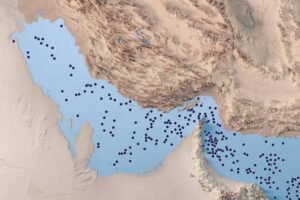
For Perim Island sits in the Strait of Bab al-Mandab, a geopolitical pinch-point that’s taken on an outsized importance since US President Donald Trump’s war with Iran effectively shuttered the Strait of Hormuz.
To help keep global energy supplies flowing, and prices down, Saudi Arabia diverted its oil exports from Hormuz to the Red Sea.
The conflict has also broadened beyond direct US-Iran hostilities. Iran-backed Houthi militants attacked several energy facilities in Saudi Arabia, prompting a temporary suspension of some operations.
Saudi Arabia is one of the world’s largest oil producers, and any sustained disruption to its energy infrastructure could have a significant impact on global crude supplies. The latest attacks have therefore increased market concerns about the vulnerability of oil facilities across the Middle East.
Analysts and traders focused
Analysts and traders are particularly focused on whether the conflict could affect the wider flow of crude through key export routes. The Middle East accounts for a substantial share of global oil production and exports, meaning even a temporary disruption can trigger sharp movements in international benchmark prices.
Brent crude, the global benchmark, has already responded to the rising geopolitical risk by moving above $100 a barrel. Higher oil prices could increase costs for refiners, transport companies and industries that depend heavily on petroleum products.
Consumers could also face renewed pressure from higher gasoline and diesel prices if crude prices remain elevated. Governments in oil-importing countries could come under additional pressure to contain inflation, particularly if higher energy costs begin feeding into transportation, manufacturing and food prices.
For the global economy, a prolonged period of oil prices above $100 a barrel could complicate efforts by central banks to bring inflation under control. Higher fuel and energy costs can increase operating expenses for businesses and reduce household purchasing power.
Market participants are now watching closely for any indication of further military escalation or diplomatic engagement between the United States and Iran. A broader regional conflict could push crude prices significantly higher, while a credible ceasefire or de-escalation could quickly reduce the geopolitical premium currently embedded in oil prices.
For now, however, the absence of clear signs of a near-term resolution is keeping traders cautious. With attacks continuing and the conflict threatening to involve additional regional energy infrastructure, oil markets are likely to remain highly sensitive to developments in the Middle East.
The trajectory of Brent crude in the coming days will depend largely on whether the conflict remains contained or develops into a wider confrontation capable of disrupting the region’s critical oil production and transportation network.
About The Author