U.S.-Iran Talks Stalled Amid Conflict Fears
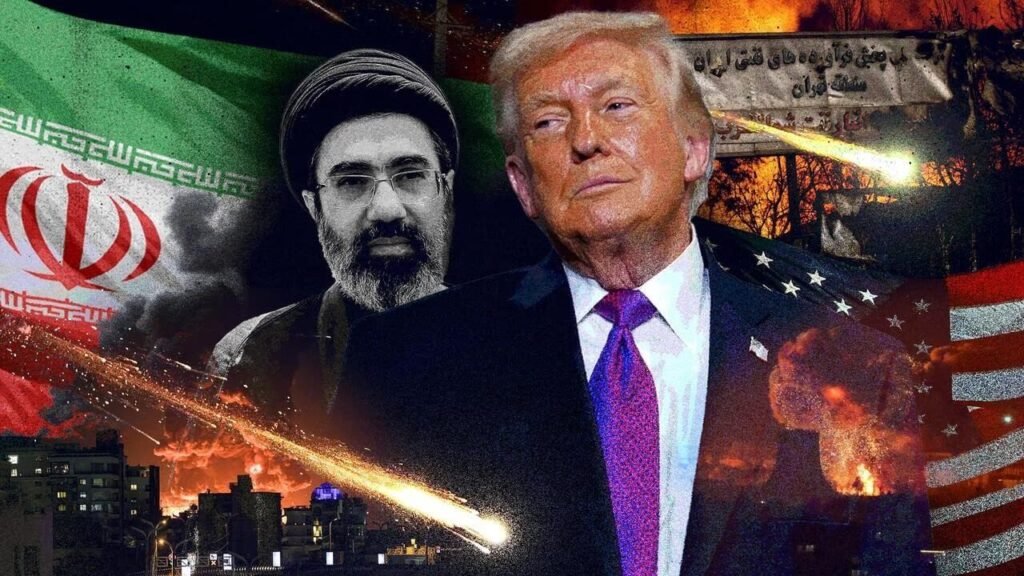
WASHINGTON: Diplomatic efforts to broker a breakthrough between the United States and Iran have made little progress, with neither side showing willingness to compromise, according to sources familiar with the talks.
The stalled negotiations are raising concerns that military hostilities between the two countries could resume. U.S. officials believe President Donald Trump could consider ordering a return to major combat operations after the midterm elections if diplomatic efforts fail.
Qatari mediators are continuing their efforts to bridge the differences between Washington and Tehran, but officials involved in the process are becoming increasingly frustrated with the lack of movement from both sides.
Qatari mediator Ali al-Thawadi met Iranian Foreign Minister Abbas Araghchi and his team in New York on Monday for several hours. According to sources familiar with the discussions, the meeting focused on a two-page Qatari compromise proposal.
The proposal was reportedly designed to address two key demands: Iran’s call for the lifting of the U.S. naval blockade and Washington’s demand for significant concessions from Tehran on its nuclear programme.
Later on Monday, al-Thawadi held talks in Washington with U.S. envoy Jared Kushner and other American officials. Vice President JD Vance also attended part of the meeting.
The White House did not comment on the discussions.
Earlier Monday, U.S. officials had described the talks as “positive and constructive,” saying Iran had indicated flexibility on nuclear issues. Officials also said Trump was prepared to consider sanctions relief and the release of frozen Iranian funds in exchange for concrete steps to curb Iran’s nuclear programme.
However, Trump later said on Truth Social that he had offered Iran nothing.
One source familiar with the negotiations said there had been no significant movement during Monday’s talks, describing the process as effectively “stuck.” The source said Iran was seeking measures Washington could not accept, while the U.S. believed it had little incentive to compromise.
Regional mediators, including Pakistan and Egypt, have also urged Iran to accept nuclear concessions. Tehran, however, has reportedly said it would consider such measures only after Washington agrees to return to the June memorandum of understanding.
Iranian Secretary of the Supreme National Security Council Mohsen Rezaei said Tuesday that Tehran had conveyed its terms to Washington, while accusing Trump of being unable to make a decision.
Trump, meanwhile, said Iran was “doing very poorly” but would eventually give up, stressing that the U.S. objective was to prevent Tehran from obtaining a nuclear weapon.
About The Author