MARSEW-9 to Focus on Maritime Security and Blue Economy
9th Maritime Security Workshop will be held from December 1 to 11, 2026, at Pakistan Navy War College in Lahore, bringing together policymakers, business leaders, academics and security professionals to discuss Pakistan’s maritime interests and economic opportunities.
LAHORE: Pakistan’s maritime security, international trade and blue economy are expected to receive renewed attention as the Pakistan Navy prepares to host the 9th Maritime Security Workshop (MARSEW-9) from December 1 to 11, 2026, at the Pakistan Navy War College (PNWC), Lahore.
The workshop aims to promote national awareness about the strategic and economic importance of the maritime sector and strengthen coordination among stakeholders involved in maritime security, trade, energy, fisheries and coastal development.
Pakistan occupies a strategically important position along the northern Arabian Sea, providing access to major international shipping routes. However, experts believe that geographical advantages alone cannot guarantee economic benefits without effective maritime policies, institutional coordination and sustainable development.
According to the United Nations Conference on Trade and Development (UNCTAD), more than 80 percent of global trade by volume is transported by sea. This highlights the importance of maritime security for international commerce and the stability of global supply chains.
For Pakistan, an import-dependent economy, disruptions to international shipping routes can have significant economic consequences. Increased freight charges, insurance costs, energy prices and delivery delays can affect domestic industries, businesses and consumers.
Recent regional tensions and disruptions around important maritime routes, including the Red Sea and Strait of Hormuz, have further highlighted the economic implications of maritime insecurity.
Pakistan’s Maritime Potential and Economic Opportunities
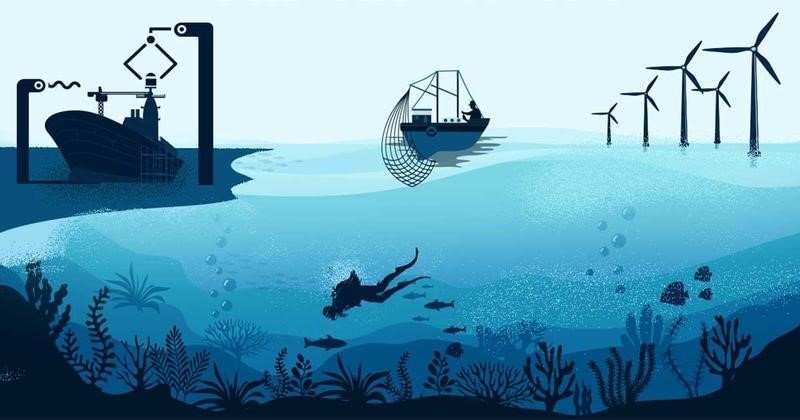
Pakistan’s maritime sector offers opportunities in several areas, including shipping, port development, fisheries, marine resources, coastal tourism and energy.
However, unlocking this potential requires an integrated approach that connects maritime security with commercial planning, environmental protection and institutional responsibilities.
Sustainable fisheries management, improved seafood processing facilities, stronger port connectivity with inland markets and effective maritime regulations are among the areas that require attention.
The workshop is expected to provide a platform for discussing these challenges and identifying practical measures to strengthen Pakistan’s maritime economy.
MARSEW’s Role in Promoting Maritime Awareness
Established in 2017, the Maritime Security Workshop is organised annually under the auspices of the Pakistan Navy through the Pakistan Navy War College in Lahore.
Unlike forums that focus exclusively on naval and military matters, MARSEW brings together parliamentarians, business representatives, civil servants, academics, media professionals and armed forces personnel.
This diverse participation aims to encourage a broader understanding of maritime affairs and highlight the connection between national security and economic development.
Previous editions have included expert discussions, institutional visits and interactions with naval professionals and policymakers. These activities have helped participants understand maritime security challenges and the practical requirements of maritime governance.
The Pakistan Navy War College has also identified the launch of Pakistan’s first Maritime Doctrine and the establishment of the Maritime Centre of Excellence at PNWC among the important institutional developments associated with MARSEW.
MARSEW-8 Highlighted Key Maritime Challenges
The 8th Maritime Security Workshop, held in December 2025, addressed several important issues, including maritime awareness, coastal development, marine resource security, critical undersea infrastructure, international maritime law and national resilience.
Participants also interacted with senior naval leadership and visited relevant maritime institutions.
A Maritime Policy Framework Exercise conducted during the closing ceremony highlighted the importance of expanding Pakistan’s national shipping and fishing sectors.
The discussions underscored the need to strengthen commercial activities while maintaining secure and predictable maritime conditions.
Focus on National Maritime Strategy
The upcoming MARSEW-9 is expected to provide an opportunity to examine how Pakistan can improve coordination between maritime security institutions and economic decision-makers.
Other important areas include strengthening port operations, ensuring shipping continuity during regional disruptions, developing coastal industries and investing in research and professional training.
The participation of civilian institutions alongside the Pakistan Navy is expected to broaden discussions on trade, investment, maritime law and national development.
As global trade and energy supplies remain closely linked to maritime routes, Pakistan faces the challenge of protecting its maritime interests while benefiting from its geographical position.
MARSEW-9 will therefore serve as an important platform for promoting maritime awareness, encouraging institutional cooperation and exploring opportunities to strengthen Pakistan’s blue economy and long-term economic resilience.
About The Author