Questions Over Sindh Culture Department’s Support for Artists
KARACHI: Renowned social activist Naveen A. Mangi has raised questions over the Sindh Culture Department’s alleged lack of cooperation with artists and organisers seeking to arrange free cultural performances across the province.
In a recent column published in a leading English-language magazine, Mangi highlighted concerns over the department’s alleged failure to respond to communications, fulfil commitments and facilitate cultural activities despite repeated requests.
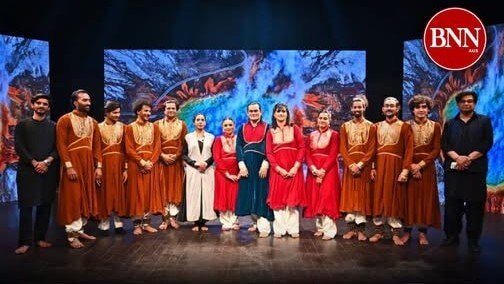
According to the column, organisers had proposed holding free dance theatre performances in different cities of Sindh. They were willing to bear the costs of artists, production and technical arrangements themselves, requiring only access to government-owned cultural halls and venues.
Promises Made but No Practical Progress
Mangi wrote that during a meeting with the provincial culture minister, assurances were given regarding financial assistance, performances at Karachi Arts Council events and free access to venues and technical facilities in different cities of Sindh.
However, despite repeated follow-ups and submission of proposals, the organisers allegedly received no practical support or confirmation from the department.
The column further claimed that senior officials of the Culture Department had informed the organisers that the culture minister was not in favour of dance performances and considered them culturally inappropriate.
This alleged position has raised questions about the difference between the commitments made during meetings and the department’s subsequent response.
High Venue Charges and Administrative Hurdles
The writer also highlighted the difficulties faced by artists and cultural organisers in accessing government-owned cultural venues.
According to Mangi, high rental charges, administrative obstacles and a lack of basic facilities create additional challenges for artists seeking to organise public performances.
The column also pointed out that organisers are sometimes required to arrange cleaning and other basic services themselves, despite using government-managed cultural facilities.
These barriers, the writer argued, discourage independent artists and organisations from arranging cultural activities for the public.
Call for Greater Support for Sindh’s Artists
Mangi has urged the Sindh Culture Department to adopt a more supportive approach towards artists and cultural organisers by ensuring transparent access to government venues and improving the availability of basic facilities.
The writer also stressed that public cultural resources should be utilised for the benefit of citizens and to promote artistic activities across the province.
One of the central questions raised in the column is why artists and organisers willing to spend their own money to provide free cultural entertainment to the public must repeatedly visit government offices to obtain basic facilities.
The column calls for practical cooperation rather than verbal assurances, arguing that the promotion of Sindh’s rich cultural heritage requires accessible venues, institutional support and meaningful opportunities for artists to showcase their talents.
It also highlights the need for greater coordination between the Culture Department and independent cultural organisations to make cultural activities accessible to people across Sindh.
About The Author