India Jails Two CJP Activists for Five Days After Delhi Protest
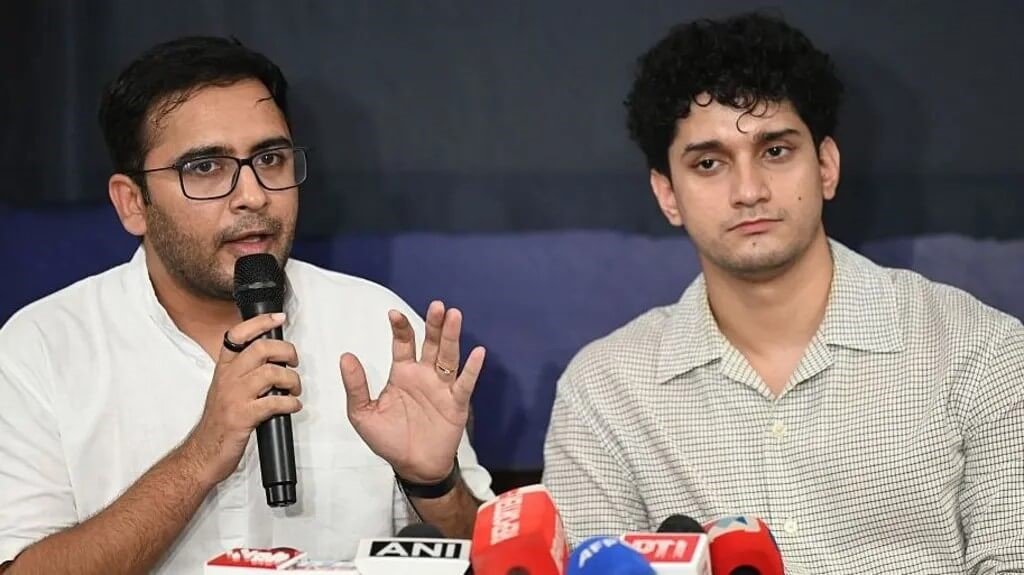
NEW DELHI: Two prominent leaders of India’s Cockroach Janta Party (CJP), Saurav Das and Ashutosh Ranka, have been remanded to five days of judicial custody following their arrest during a protest at Jantar Mantar in New Delhi.
The two activists appeared before a magistrate on Wednesday after allegedly climbing a locked gate and crossing police barricades to enter the protest site on Tuesday.
The CJP, a youth-led pressure group rather than a registered political party, has been organising demonstrations demanding electoral reforms and the resignation of Chief Election Commissioner Gyanesh Kumar over alleged irregularities in electoral rolls. The Election Commission has denied any wrongdoing.
Police accused Das, Ranka and fellow activist Ajinkya Shinde of trespassing, violating prohibitory orders, breaching a peace bond and obstructing public officials. The activists have denied the allegations.
The Special Executive Magistrate Court ordered Das and Ranka to remain in judicial custody for five days to allow further investigation. Shinde, meanwhile, was released on a personal bond. The two detained leaders can seek bail from a higher court.
The arrests came days after police detained several CJP leaders ahead of planned demonstrations in the capital. Those detained were subsequently released by a magistrate.
Dispute Over Protest Venues
The confrontation follows a decision by Delhi authorities to remove Jantar Mantar from the list of authorised protest locations. Police have designated Ramlila Maidan, Burari Ground and CBD Ground as alternative venues for demonstrations.
The CJP has criticised the move, arguing that relocating protests would reduce their visibility and make it harder for demonstrators to draw public attention to their demands.
On Tuesday, CJP founder Abjijeet Dipke and other members shared videos on social media showing Das and Ranka climbing over police barricades while chanting slogans and carrying the Indian national flag.
“You cannot denotify the resistance,” Dipke wrote on X.
Ratna Singh, head of the CJP’s legal team, alleged that the detained activists were denied access to lawyers for several hours. She also claimed they were transported to Parliament Street Police Station in a private vehicle at around 3 a.m. local time.
Authorities had imposed extensive security restrictions across Delhi ahead of a CJP protest scheduled for Saturday. Several metro stations were closed, train services were disrupted, and thousands of police and paramilitary personnel were deployed to prevent demonstrators from reaching the protest site.
Police detained and later released thousands of people during the weekend crackdown, including several journalists. Videos and photographs circulating online appeared to show officers dragging protesters, including women, and forcing them into buses.
CJP Youth Movement Gains Momentum
The latest demonstrations are part of a broader wave of youth-led protests over unemployment, examination irregularities and demands for reforms in education and governance.
Earlier this year, the CJP led weeks of protests over examination-related issues and education reforms. The demonstrations culminated in the resignation of federal Education Minister Dharmendra Pradhan.
The group initially emerged as an online satirical movement after Chief Justice of India Surya Kant compared some unemployed young people to cockroaches during a court hearing in May. He later said his remarks had been misinterpreted, but the comments had already become a rallying point for young people demanding change.
Since then, the CJP has developed into a pressure group drawing support from wider public frustration over unemployment, examination controversies and government accountability. The latest arrests have intensified the dispute over the right to protest in the capital, with the group maintaining that restricting access to prominent demonstration sites will not silence its campaign for electoral reforms and accountability.
About The Author