Cyber-Attack Hits Supermarket Freezers in 7 European Countries
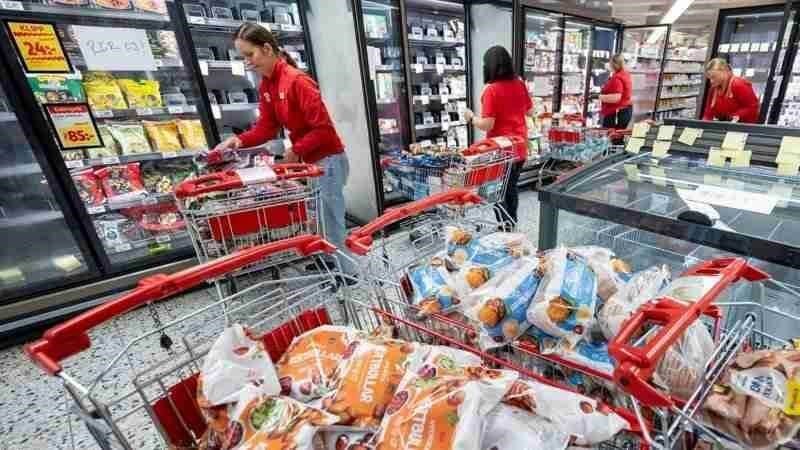
A suspected cyber-attack has disrupted refrigeration systems at dozens of supermarkets across seven European countries, causing significant food losses and raising concerns about the cybersecurity of food retail infrastructure.
The incident has affected supermarkets in Belgium, Luxembourg, Sweden, Ireland, the Netherlands, Estonia and Finland. As a result, refrigerators and freezers in several stores reportedly switched to defrost mode, causing temperatures to rise and putting large quantities of food at risk.
Supermarkets Face Major Food Losses After Cyber-Attack
Around 40 Delhaize supermarkets in Belgium and Luxembourg were affected by the incident. Meanwhile, several other supermarket chains across Europe also reported problems with their refrigeration systems.
Sabcobel, a Belgian company responsible for manufacturing and operating some of the affected refrigeration units, confirmed that the incident was a cyber-attack.
According to Sabcobel CEO Stephan Moelans, the attackers reportedly manipulated the evaporators in refrigeration units, forcing them into defrost mode. Consequently, the systems began warming instead of maintaining safe storage temperatures.
Moelans told the Belga news agency that the company had been working overnight to disconnect affected refrigeration units from the network.
Millions of euros worth of food products reportedly had to be discarded following the incident.
Cybersecurity Concerns Grow After Previous French Attack
The latest incident follows a similar cyber-attack in early October that affected hundreds of supermarkets in France.
Since that incident, Sabcobel had been working to strengthen the security of its customers’ refrigeration systems. However, Moelans explained that the vulnerability required physical modifications rather than software updates alone.
Most modern supermarkets use internet-connected refrigeration systems. These connections allow technicians to monitor equipment, perform maintenance and troubleshoot problems remotely.
Although remote management improves operational efficiency, it can also create cybersecurity risks when systems are not adequately protected.
Moelans said that managing refrigeration equipment through secure internet connections was the simplest solution. He added that many customers had adopted this approach following the earlier French incident.
Several European Supermarket Chains Report Disruptions
The cyber-attack has affected multiple supermarket operators across Europe.
In Belgium, Carrefour confirmed that 15 of its stores had been affected. However, the company said immediate measures had been taken to ensure that all its stores remained operational.
Colruyt Group, which operates Spar supermarkets in Belgium through a franchise system, also reported that five stores had experienced attacks on their refrigeration systems.
In Sweden, several ICA and Coop supermarkets were affected. ICA confirmed that a small number of stores operating outside its central network had experienced disruptions.
An ICA branch in Sjöbo, southern Sweden, reported that hackers had changed the temperature settings of its refrigerators and freezers to 50°C (122°F). Although the store initially closed, it later reopened.
Meanwhile, seven Coop stores in Sweden were affected. The company said the situation had been contained and was under control.
Ireland, Finland and the Netherlands Also Affected
The incident has also disrupted supermarket operations in other European countries.
In Ireland, 13 SuperValu supermarkets were affected. Musgrave Group, the company that owns the supermarket chain, confirmed that a cyber incident had affected refrigeration systems using a specific model of equipment.
In the Netherlands, Danish manufacturer Danfoss reported that cooling and freezing systems belonging to at least 17 businesses had been attacked. The affected businesses included butcher shops and small neighbourhood stores.
In Finland, refrigeration problems were detected at several K-stores. Kesko, the supermarket chain’s owner, said its security experts were investigating the cause of the incident.
Additionally, a Selver supermarket in Estonia reported that its refrigeration systems had been affected. Local media also reported disruptions at other businesses.
European Cybersecurity Agencies Investigate the Incident
National cybersecurity authorities in Belgium and Sweden are monitoring the situation.
The UK’s National Cyber Security Centre (NCSC) also confirmed that it was working with international partners and industry representatives to understand the details of the incident.
However, no similar attacks have been reported in the United Kingdom.
Meanwhile, the identity of the attackers and their motives remain unknown.
Cyber-Attack Highlights Risks to Connected Food Infrastructure
The incident highlights the growing cybersecurity challenges facing Europe’s supermarket industry.
As retailers increasingly rely on internet-connected equipment, refrigeration systems and other essential technologies, cybercriminals may find new opportunities to disrupt business operations.
Unlike conventional cyber-attacks targeting computer networks or customer information, attacks against industrial equipment can have direct physical and financial consequences.
In this case, manipulating refrigeration temperatures has threatened food safety, disrupted supermarket operations and caused substantial financial losses.
European authorities and supermarket operators are now working to understand the vulnerability and prevent similar incidents.
The latest attack also demonstrates why businesses must strengthen the security of connected devices, implement secure remote access and regularly assess vulnerabilities in their operational technology systems.
About The Author