Seven Oil Tankers Damaged in Hormuz as Oil Prices Surge
strait of hormuz
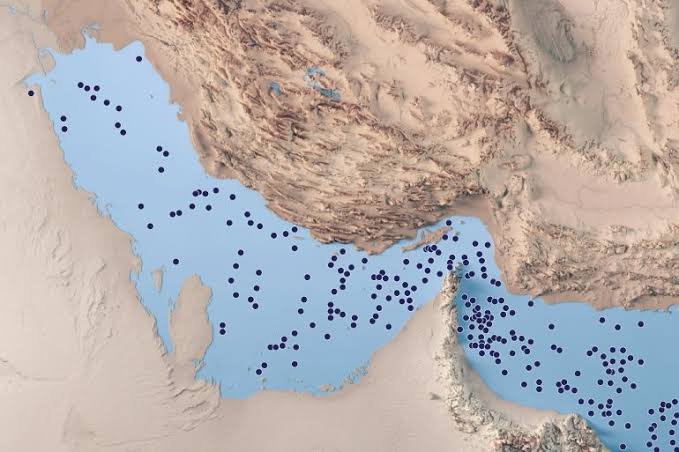
Seven oil tankers were damaged in the Strait of Hormuz amid escalating tensions in the Middle East. The reported incidents involved attacks on vessels and naval mines, raising concerns about global oil supplies, said Irani media.
According to a statement attributed to Iran’s Islamic Revolutionary Guard Corps (IRGC) Navy, four tankers caught fire while transferring oil. Meanwhile, three other vessels were reportedly damaged and immobilized after hitting naval mines west of the strait.
However, Iranian authorities did not provide details about casualties or identify the flags of the affected tankers. The reports have not been independently verified.
If confirmed, the incidents could mark one of the largest single-day losses involving commercial vessels in the strategic waterway since the Iran war began on February 28.
Oil Prices Rise to a Five-Month High
Meanwhile, global oil prices climbed sharply as attacks in Saudi Arabia and reported damage to tankers threatened energy supplies.
Brent crude, the international oil benchmark, rose by 3% to reach $112 per barrel on Thursday. This marked its highest level since May 18.
The latest increase reflects growing concerns about disruptions to shipments through the Strait of Hormuz, one of the world’s most important oil transportation routes.
Earlier in the conflict, oil prices surged to $126 per barrel in April. Prices later dropped below $100 in late May and fell to around $71 in early July as hopes for a ceasefire improved.
However, renewed fighting and the collapse of a Memorandum of Understanding between Washington and Tehran have pushed prices higher again.
Houthi Attacks Increase Tensions in Saudi Arabia
Elsewhere, Yemen’s Iran-aligned Houthi movement reportedly attacked several targets in Saudi Arabia on Wednesday.
According to the reported figures, two people were killed and eight others injured at a civilian airport in Dammam. Two additional people were reportedly killed in a drone attack on a Saudi oilfield.
These incidents have heightened concerns about the conflict spreading further across the Gulf region.
In response, Yemen’s internationally recognized government warned that rallies and mobilization activities supporting the Houthi rebels in areas under their control could be considered legitimate military targets.
The warning adds another layer of uncertainty to an already volatile security situation.
US Orders Some Diplomats to Leave the Region
The United States has ordered some diplomats and their family members to leave their missions in Saudi Arabia, according to Reuters. Washington also plans to withdraw family members from several other diplomatic missions in the Middle East.
At the same time, Saudi Aramco has reportedly instructed staff to evacuate its headquarters in Dhahran and work remotely.
These precautionary measures underscore growing concerns about the safety of diplomatic personnel and energy infrastructure as regional hostilities intensify.
Iran’s Revolutionary Guard has also warned that continued US actions to facilitate oil shipments through other parts of the Strait of Hormuz could trigger attacks on American military bases in the region.
Global Markets React to Middle East Conflict
The escalating conflict has also affected international financial markets.
European stocks fell on Thursday amid concerns that rising energy costs could fuel inflation and force central banks to maintain higher interest rates.
The Stoxx Europe 600 index declined by 1%, while the UK’s FTSE 100 dropped by 0.7%.
Higher oil prices could increase transportation and manufacturing costs worldwide. Consequently, prolonged disruption to energy shipments could place additional pressure on businesses and consumers.
Despite these concerns, data from energy analytics firm Kpler reportedly showed that Persian Gulf oil exports had risen above prewar levels. Increased shipments through overland pipelines to the Red Sea and Gulf of Oman have helped offset some disruption.
Strait of Hormuz Remains Critical to Global Energy Supplies
The Strait of Hormuz remains a vital route for international oil shipments. Any prolonged disruption could affect energy prices, shipping costs and economic stability worldwide.
The current escalation follows months of fighting between Iran and the US-Israeli alliance, with diplomatic efforts failing to secure a lasting settlement.
Although alternative export routes have helped maintain some oil flows, further attacks on tankers or energy infrastructure could create additional uncertainty in global markets.
For now, international attention remains focused on developments in the Strait of Hormuz, the security situation in Saudi Arabia and the prospects for renewed diplomatic negotiations.
About The Author