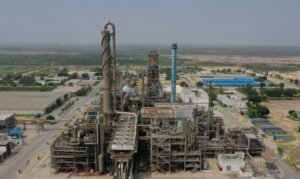
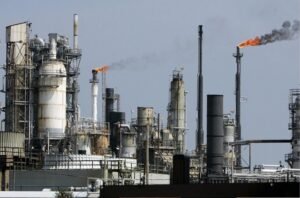
Oil Spike Challenges Pakistan Economy
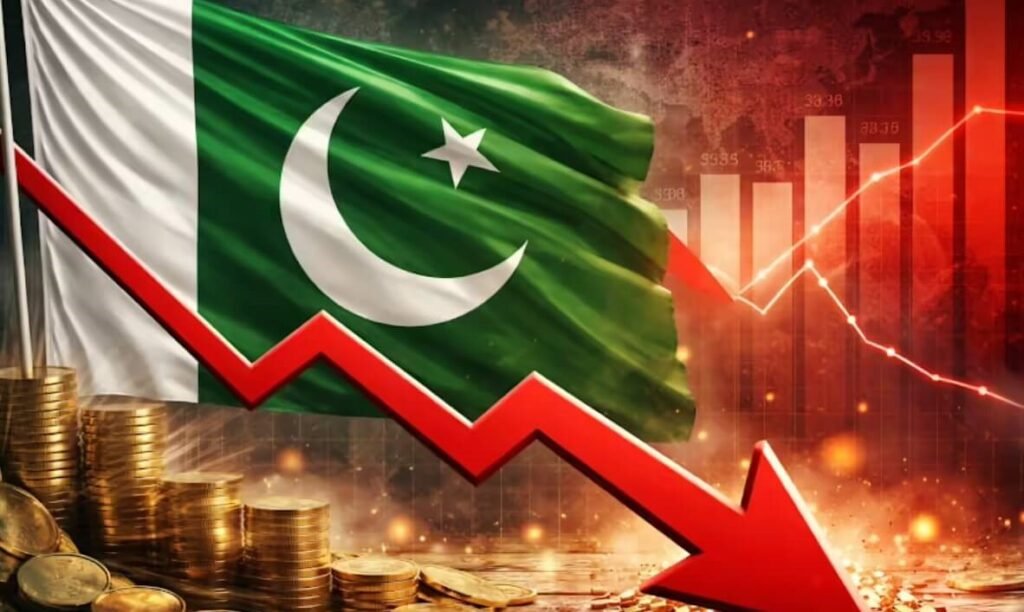
The country, which relies on imports for nearly 85 per cent of its energy needs, is projected to spend around $15 billion on petroleum imports in FY26, accounting for roughly 22% of total imports.
Pakistan’s rising petroleum and crude oil import bill is emerging as a central economic challenge as global prices climb amid ongoing regional conflicts, putting pressure on inflation, growth, and external accounts.
The country, which relies on imports for nearly 85 per cent of its energy needs, is projected to spend around $15 billion on petroleum imports in FY26, accounting for roughly 22% of total imports. With crude oil prices hovering near $100 per barrel—and potentially rising further—the impact is already feeding through to key economic indicators.
Analysts warn that sustained high oil prices could push Pakistan’s average inflation to 9–10% over the next 12 months, with peaks above 11% in the final quarter of FY26. A further increase to $120 per barrel could lift inflation to 10–11%, increasing the likelihood of tighter monetary policy to maintain real interest rates.
Pakistan Economic growth is also expected to slow. GDP projections for FY27 have been revised downward to 2.5–3.0%, compared to earlier estimates of 4.0%, as higher energy costs and inflation weigh on consumption and industrial activity. For FY26, growth is expected to remain in the 3.5–4.0% range, in line with central bank guidance.
The external account remains particularly vulnerable. Under a controlled scenario with government intervention to curb imports, the current account deficit (CAD) is expected to stay below $3.5 billion (0.8% of GDP) in FY27. However, delays in administrative measures could see the deficit widen sharply to over $8 billion (around 1.8–1.9% of GDP), posing risks to foreign exchange reserves, the Topline analyst Shankar Talreja said.
Fiscal pressures are also mounting, with the consolidated deficit projected at 4.0–4.5% of GDP in both FY26 and FY27, amid continued spending and commitments under the International Monetary Fund program.
Pakistani Rupee
The analyst further said that the Pakistani rupee is expected to depreciate by 5–6% on average in FY27 under a managed scenario. However, weaker controls on imports and rising demand for dollars could trigger sharper currency declines.
Pakistan’s stock market has already reacted negatively to the global environment. In the March 2026 quarter, it ranked among the world’s worst performers, posting a 15% decline, largely due to its exposure to oil price shocks despite no direct involvement in the conflict.
Market strategists suggest a defensive investment approach, favoring sectors such as energy exploration, fertilizers, and banking, while advising caution in cyclical industries sensitive to economic slowdown.
Beyond oil, non-oil imports present an additional risk. These are expected to reach $48–50 billion in FY26, potentially the second highest in Pakistan’s history. Experts note that controlling these imports will be critical, as interest rates alone have historically shown limited effectiveness without direct government intervention.
In a base-case scenario, authorities are expected to eventually step in, leading to an 8% contraction in non-oil imports in FY27. Combined with assumptions of reduced petroleum consumption and moderate declines in remittances and exports, this would keep the current account deficit manageable.
However, in the absence of timely policy action, Pakistan’s economic outlook could deteriorate significantly, with widening external imbalances and increased pressure on inflation, currency stability, and overall growth.
About The Author