SBP keeps policy rate unchanged at 11.5%
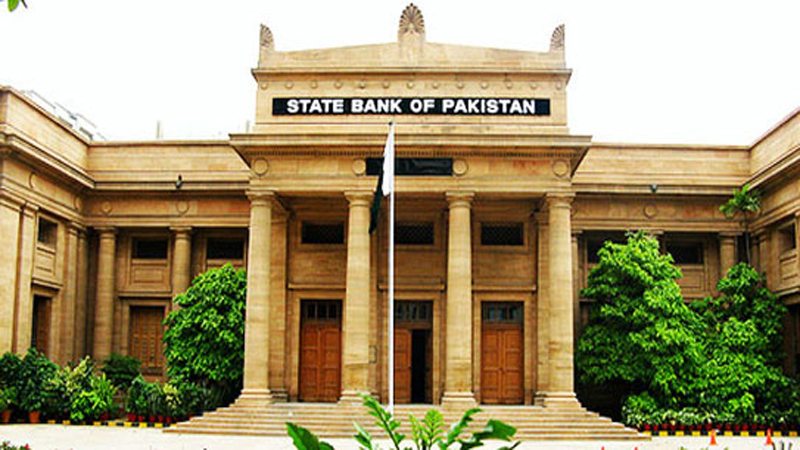
KARACHI: The Monetary Policy Committee (MPC) of the State Bank of Pakistan decided to maintain the policy rate at 11.5%, saying the current monetary stance remains suitable to bring inflation down to the 5–7% target range over the medium term.
The committee noted that global oil prices have eased after recent geopolitical developments but remain higher than pre-conflict levels. The impact of the Middle East conflict is now visible in economic indicators, with headline inflation rising to 10.9% in April and 11.7% in May, while core inflation also increased.
Economic activity has shown signs of moderation due to higher prices, austerity measures and uncertainty. However, external account pressures remain manageable.
The MPC highlighted that Pakistan’s real GDP growth reached 3.7% in FY26, compared with 3.2% last year. Growth was supported mainly by the services and industrial sectors, while agriculture also contributed. Large-scale manufacturing grew by 6.5% during July-March FY26, though activity may slow in coming months.
On the external front, the current account recorded a deficit of $0.3 billion in April, bringing the July-April FY26 deficit to $0.2 billion. Strong remittances and official inflows helped support foreign exchange reserves, which reached $17.2 billion by June 5, 2026 and are expected to rise to $18 billion by the end of June.
The fiscal situation remained on track, with the government expecting a primary surplus of 2.5% of GDP for FY26 and targeting 2% for FY27 through expenditure control and fiscal reforms. The MPC stressed the need for tax reforms and restructuring of state-owned enterprises.
Money supply growth slowed slightly to 14.3%, while private sector credit expanded by around 13%, supported by business financing and investment.
The MPC expects inflation to remain in double digits for the next few months before easing gradually. Key risks include global geopolitical developments, energy price adjustments, fiscal pressures and uncertain food prices due to weather conditions.
The committee reaffirmed its commitment to price stability and called for faster structural reforms to improve productivity, strengthen economic resilience and support sustainable growth.
About The Author