Saudi Aramco Cuts Oil Prices to Win Back Asian Buyers
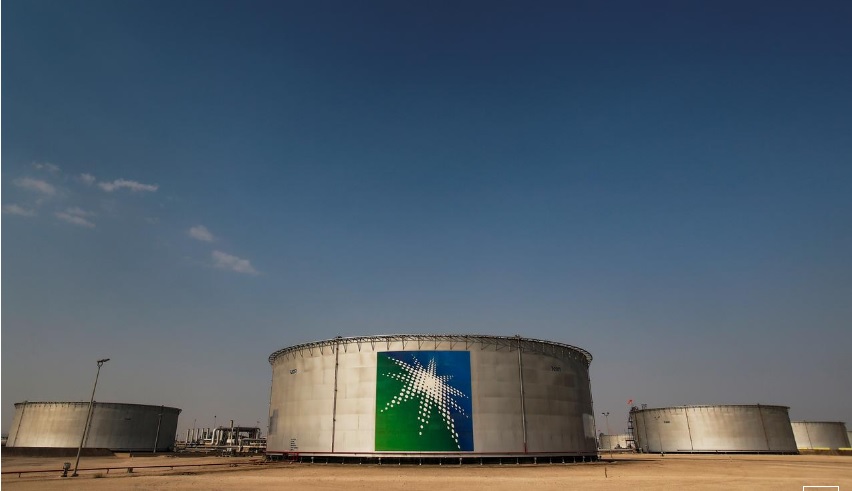
Saudi Aramco, the world’s largest oil exporter, has sharply reduced its crude oil prices for Asian customers for August-loading cargoes in an effort to regain market share and recover lost sales volumes following the Iran conflict, Reuters said.
The state-controlled oil giant announced that the official selling price (OSP) for its flagship Arab Light crude will be set at a discount of $1.50 per barrel to the regional Oman/Dubai benchmark for August shipments. The reduction represents an $11 per barrel cut from the July OSP and marks the largest monthly price reduction in Reuters records dating back to 2003.
The latest price cut has pushed Saudi Arabia’s Arab Light OSP to its lowest level since June 2020, when global oil markets were struggling with a severe supply glut and historically weak prices due to the collapse in demand caused by COVID-19 lockdowns.
Analysts say the move reflects Saudi Arabia’s attempt to strengthen its position in Asia, which accounts for around 80% of its crude exports. However, even with the record discount, Saudi crude may continue to face strong competition from other Middle Eastern producers as well as exporters from Africa and the Americas, whose supplies remain attractive to Asian refiners.
The decision comes as oil market expectations have shifted toward concerns about oversupply following signs that the United States-Iran conflict may be easing. However, uncertainty remains, as both sides have yet to reach a final agreement to secure a long-term settlement after the recently agreed 60-day ceasefire.
Saudi Arabia and other Gulf producers are operating on the assumption that the Strait of Hormuz, a key global oil shipping route, will remain open and that crude shipments can continue without major disruption.
Saudi oil exports recovered to 4.53 million barrels per day (bpd) in June, according to commodity analysts Kpler, compared with 3.74 million bpd in May. However, exports remain significantly below the average of 6.55 million bpd recorded in the three months before the U.S. and Israeli strikes on Iran on February 28.
China remains a crucial market for Saudi Aramco, but Saudi Arabia has recently lost market share in the world’s largest crude importing country. Chinese imports of Saudi crude are estimated at 705,000 bpd in July, improving from a 12-year low of 626,300 bpd in June but still well below the pre-conflict average of 1.48 million bpd.
China reduced purchases after Aramco raised prices significantly when Middle East crude supplies were threatened by disruptions around the Strait of Hormuz. The latest price cuts indicate Saudi Arabia’s strategy to attract Asian buyers again and rebuild its position in a highly competitive global oil market.
About The Author