US and China Agree to Cut Tariffs on $60bn of Goods
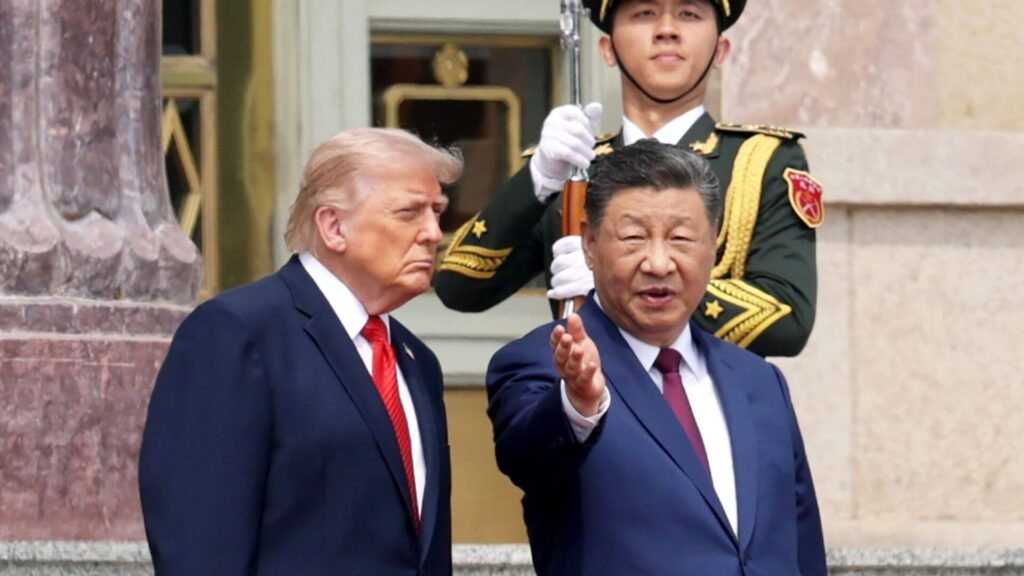
WASHINGTON: The United States and China have agreed to reduce tariffs on about $60 billion worth of goods, marking a further step toward easing trade tensions following a summit between US President Donald Trump and Chinese President Xi Jinping.
Under the US-China Board of Trade, each country has recommended around $30 billion worth of non-sensitive goods for more favourable tariff treatment, US Trade Representative Jamieson Greer said on Sunday.
Greer said the US measures would improve market access for roughly 30% of American exports to China.
The tariff reductions are part of a broader agreement reached during Trump and Xi’s second summit of the year in Washington. The two sides also agreed to extend their existing trade truce, providing additional time for negotiations on economic and commercial issues.
China’s Commerce Ministry said Monday that the extension would provide a more stable and predictable environment for businesses while allowing both countries to assess existing arrangements and continue negotiations.
Under China’s proposed tariff changes, duties would be reduced on a range of US agricultural products, including corn, wheat, sorghum, meat, dairy products, vegetable oils and related goods. Fish and seafood, timber products, cosmetics and medical devices are also included.
Soybeans, however, were not included in the new tariff list, despite their importance to US agricultural exports.
Washington will similarly reduce tariffs on a range of Chinese consumer products, including coffee makers, toasters, tableware, blankets, bed linen, toys, fireworks, artificial flowers and holiday decorations. Children’s car seats are also included.
Agriculture and coal
The tariff changes are expected to support China’s commitment, outlined by the White House, to purchase $17 billion worth of US agricultural products.
The two countries will establish an agriculture working group to discuss market access and regulatory issues, with its first meeting expected before the end of the year.
The summit also produced an agreement for China to import 10 million metric tons of US coal annually in 2027 and 2028. Liquefied natural gas and crude oil were not included in the arrangement.
Meanwhile, China said it would consider approving US-backed financial institutions to operate and open branches in the country.
The two governments also agreed to maintain communication on increasing direct flights between China and the United States.
Despite the agreements, financial markets remained cautious. Chinese stocks fell sharply on Monday, with the benchmark CSI300 index dropping more than 2%, while technology shares were pressured by renewed US efforts to restrict Chinese components in data centres.
The latest agreements suggest an effort by Washington and Beijing to stabilize trade relations, although significant differences remain over technology, investment and market access.
About The Author