Asim Munir, Shehbaz Sharif meet Abbas Araghchi separately
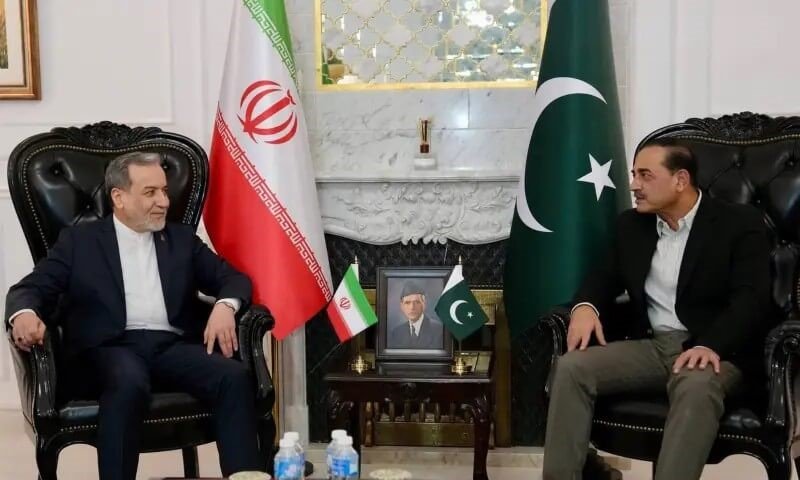
ISLAMABAD: Field Marshal Asim Munir and Prime Minister Shehbaz Sharif held separate meetings on Saturday with Iranian Foreign Minister Abbas Araghchi, focusing on matters of mutual interest and the evolving regional security situation, according to news coming from official sources.
The high-level engagements come amid a flurry of diplomatic activity involving Iran, United States, and Pakistan, raising speculation about a possible revival of indirect talks between Washington and Tehran.
Multiple media reports suggest that U.S. envoys, including Steve Witkoff and Jared Kushner, are expected to depart from Washington for Islamabad, although the White House has not formally confirmed the purpose or details of the visit. The reported trip has fueled expectations that Pakistan could once again serve as a backchannel for dialogue between the long-time adversaries.
However, prospects for a second round of talks appear uncertain. Sources indicate that Tehran remains reluctant to engage directly with the U.S. delegation, citing its demand that Washington first end what it describes as a blockade affecting the strategically vital Strait of Hormuz. The waterway is a critical global oil transit route, and any disruption has far-reaching economic implications.
Diplomatic observers say Iran’s position reflects a complex balancing act. While signaling openness to dialogue, Tehran is simultaneously maintaining a firm public stance, making it politically difficult to enter direct negotiations without prior concessions. Recent statements by former U.S. President Donald Trump, perceived as confrontational, have further complicated the environment for talks.
Irani Media reports claimed that Iranian officials have publicly downplayed any linkage between Araghchi’s visit to Islamabad and potential U.S. engagement. Nevertheless, parallel announcements from Washington about sending a delegation to Pakistan suggest coordinated, if indirect, diplomatic maneuvering.
According to diplomatic sources, Araghchi is expected to continue consultations in Moscow and Muscat before potentially returning to Islamabad. By that time, the U.S. delegation is also expected to be present, increasing the likelihood of proximity talks, even if formal negotiations do not immediately take place.
Analysts believe a possible compromise could involve temporary de-escalatory steps from both sides — such as a limited easing of U.S. restrictions and assurances from Iran regarding the reopening of maritime routes — to create space for renewed negotiations.
For now, the situation remains fluid, with diplomacy unfolding largely behind closed doors as all parties weigh their strategic and political options.
According to the media news, Iranian forces have full control of the Strait of Hormuz.
About The Author