Pakistan-Mediated U.S.–Iran Talks Show Progress
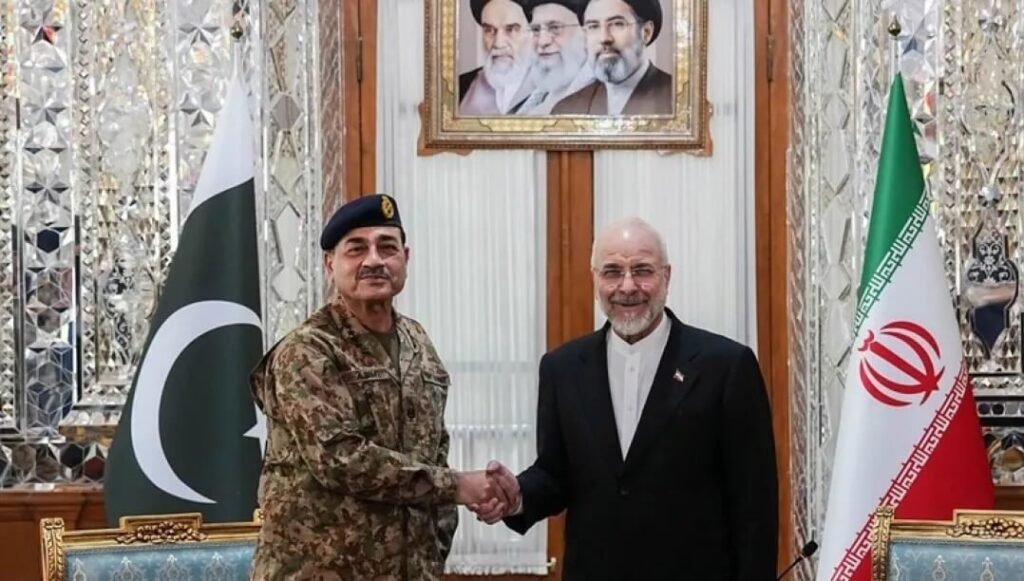
Fresh diplomatic activity suggests cautious optimism in efforts to revive dialogue between the United States and Iran, with Pakistan playing a quiet but increasingly central mediating role.
According to media sources, indirect negotiations have reached a phase where “light at the end of the tunnel” is becoming visible, despite persistent disagreements.
Iran’s Foreign Minister, Abbas Araghchi, made two rapid visits to Islamabad within 48 hours, underlining the urgency and intensity of backchannel diplomacy.
These engagements reportedly focused on conditions for restarting formal talks between Tehran and Washington after weeks of heightened tensions.
Meanwhile, U.S. President Donald Trump signaled a mixed stance. While expressing appreciation for Pakistan’s mediation efforts and leadership, he abruptly canceled a planned visit by senior envoys to Islamabad.
Speaking to Fox News, Trump suggested that negotiations could continue remotely, stating that Iran could “call” or come directly to Washington if it wished to proceed.
Despite these gestures, significant obstacles remain. Iranian officials have accused the U.S. of making “excessive demands,” particularly regarding Tehran’s nuclear program.
Trump reiterated Washington’s core position: Iran must not develop nuclear weapons, calling it a non-negotiable condition for any agreement.
Complicating matters further, regional sources indicate Iran has proposed easing its control over the strategic Strait of Hormuz—a vital global transit route—without directly addressing its nuclear activities. In return, Tehran is seeking relief from U.S. sanctions and the lifting of restrictions on its ports, the media report said.
Diplomatic momentum appeared to falter over the weekend when the U.S. delegation’s Islamabad visit was scrapped. However, Araghchi continued regional consultations, traveling between Pakistan and Oman before heading to Russia.
He arrived in Saint Petersburg on Monday for talks expected to include discussions with Vladimir Putin, focusing on both bilateral ties and the broader Iran-U.S. conflict.
Iran has also emphasized coordination with Oman to ensure maritime security in the Strait of Hormuz, highlighting shared economic and strategic interests in maintaining safe navigation.
While no breakthrough has yet been achieved, the continued movement of diplomats and the willingness to keep communication channels open suggest that both sides are exploring pathways—however narrow—toward de-escalation.
About The Author