Pakistan Strengthens Maritime Sector in 2026
ISLAMABAD: World Maritime Day 2026 is being observed under the theme “From Policy to Practice: Powering Maritime Excellence,” highlighting the need for countries to move beyond maritime commitments and translate international rules into effective legislation, enforcement and day-to-day operations.
The International Maritime Organization (IMO) has adopted the theme for 2026 and 2027, marking the first two-year theme in its history. The focus comes amid growing threats to global shipping, including attacks in the Red Sea, tensions around the Strait of Hormuz and rising war-risk insurance premiums.
Pakistan has emerged as a case study in translating maritime policy into practical measures. In July 2026, the Lloyd’s Market Association’s Joint War Committee removed Pakistan from its list of war-zone countries, ending a designation that had been in place since 2001.
The removal followed sustained technical engagement by Pakistan, including a formal submission in March, provision of verified data and coordinated efforts involving the Pakistan Navy and other national stakeholders. The decision has helped reduce war-risk premiums and is expected to improve the competitiveness and confidence of Pakistani ports, including Karachi, Port Qasim and Gwadar.
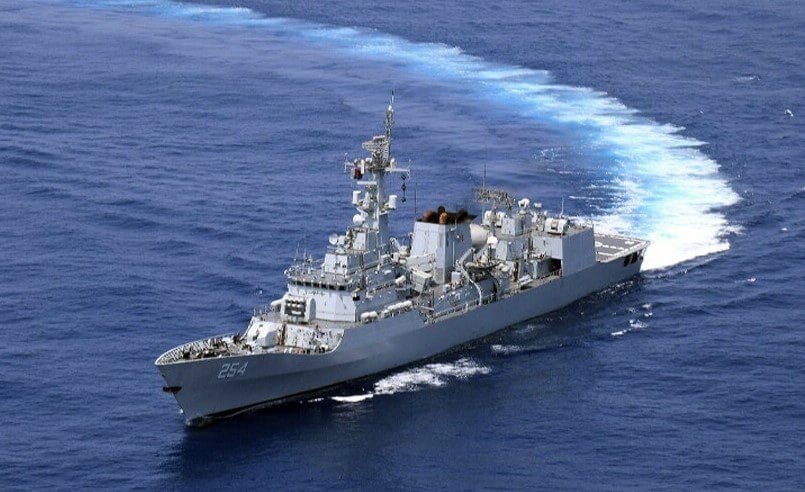
Pakistan Navy has also strengthened maritime security through Operation Muhafiz-ul-Bahr, launched in March 2026 amid regional tensions and disruption to energy shipping routes. The operation focuses on securing Pakistan’s sea lines of communication, protecting critical energy supplies and escorting Pakistan-flagged merchant vessels in coordination with the Pakistan National Shipping Corporation.
According to the article, 76 transits have been escorted through the Gulf and Red Sea by late 2026. Pakistan Navy has also maintained a continuous presence in the North Arabian Sea and Gulf of Oman and joined the Saudi-led Multinational Maritime Defence Coalition aimed at strengthening maritime security in the Bab el-Mandeb, Red Sea and Gulf of Aden corridor.
Maritime awareness and capacity building are also part of Pakistan’s efforts. The Pakistan Navy supports the Maritime Awareness Campaign Plan, including an annual Maritime Security Workshop, engagement with policymakers and the business community, awareness on marine pollution and research through the Maritime Centre of Excellence.
The Pakistan International Maritime Exhibition and Conference (PIMEC) has further helped promote international cooperation and investment. Its second edition, held in November 2025, attracted 133 international delegations representing 44 countries.
Pakistan is also exploring the potential of its exclusive economic zone. The Pakistan Navy, in collaboration with the China Geological Survey and National Institute of Oceanography, has conducted three expeditions to map areas of the EEZ and assess potential oil and gas resources.
The next challenge, however, is to convert identified potential into actual production, strengthen port infrastructure, develop human capital and improve regulatory enforcement.
IMO Secretary-General Arsenio Dominguez has emphasized the importance of ensuring that maritime regulations are put into action to achieve safer, more secure and environmentally sound shipping.
World Maritime Day 2026 therefore provides an opportunity to assess Pakistan’s progress from policy commitments to practical implementation, with maritime security, trade protection, investment, scientific exploration and the development of the blue economy remaining key priorities.
About The Author