Pakistan Under Pressure from Oil Shock
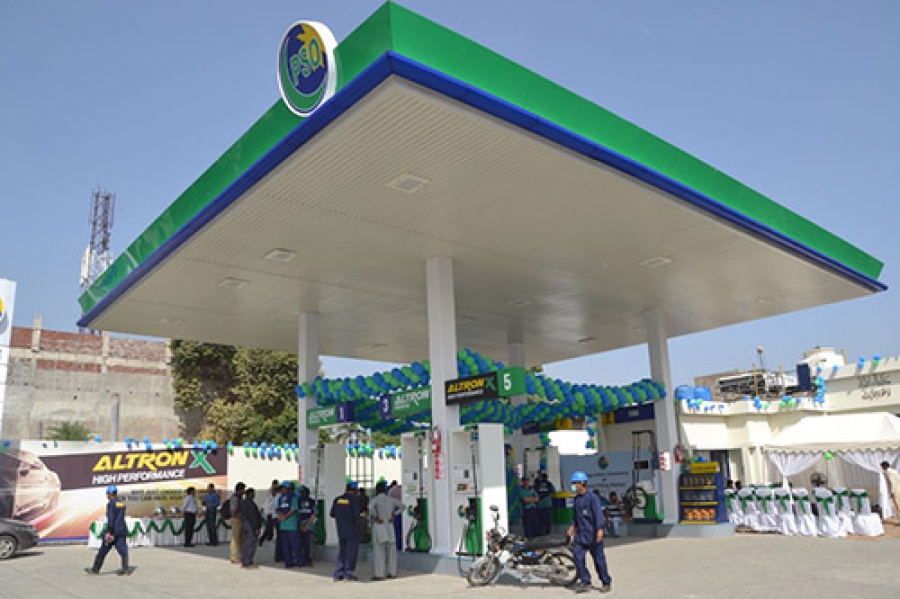
Pakistan is likely to face a sharp increase in petroleum prices, with estimates suggesting a hike of Rs30 to Rs50 per litre as early as Friday evening. The expected surge comes in the wake of escalating global oil prices driven by intensifying geopolitical tensions in the Middle East.
Prime Minister Shehbaz Sharif acknowledged the gravity of the situation, stating that new fuel prices would be finalized soon. He described the current scenario as “highly challenging,” but expressed confidence that coordinated national efforts could help manage the crisis. He also revealed that Pakistan’s weekly oil import bill has surged to nearly $800 million, placing significant strain on the country’s fragile economic recovery.
Strait of Hormuz blockade
The global energy market has been thrown into turmoil as Donald Trump considers extending a naval blockade on Iranian ports, further escalating tensions with Iran. The situation has effectively kept the Strait of Hormuz—a vital artery for global oil shipments—largely closed.
As a result, Brent crude oil prices have surged past $125 per barrel, marking a wartime high and a jump of over 12%. Meanwhile, West Texas Intermediate crude has climbed above $110 per barrel. The spike reflects mounting fears of supply disruptions as diplomatic efforts between the US and Iran collapse.
US military officials are preparing new strategic options
Reports indicate that US military officials are preparing new strategic options, including potential targeted strikes on Iranian infrastructure and contingency plans involving control over parts of the Strait of Hormuz to restore commercial shipping routes. These developments have further rattled markets already on edge.
Energy prices have now reached their highest levels since the Russia’s invasion of Ukraine, amplifying global inflation concerns and triggering volatility across financial markets.
For Pakistan, the timing could not be worse. After achieving relative macroeconomic stability and moving toward a growth trajectory, the renewed global crisis threatens to undo hard-won gains. Rising fuel costs are expected to fuel inflation, increase transportation and production expenses, and further burden consumers.
As the government prepares to announce revised fuel prices, the coming days will be critical in determining how Pakistan navigates yet another external economic shock in an increasingly uncertain global landscape.
About The Author